Case Studies

Strategy
Leadership
Culture

Audi Staff Experience Improvement

Strategy
Leadership
Culture

“Audi SEI was the most effective change programme that I’ve ever experienced”

Dominic Elms – Aftersales & Customer Service Director, Audi UK 2006-10 – Audi SEI client 2008-10…now Operations Director, Global Customer Services at Jaguar Land Rover

“SEI was a programme that transformed people and businesses”

Adrian Wallington – participating Audi Brand Director at Wayside Group and Jardine Motors 2008-12
….now a C Suite Director at a leading motor retail group

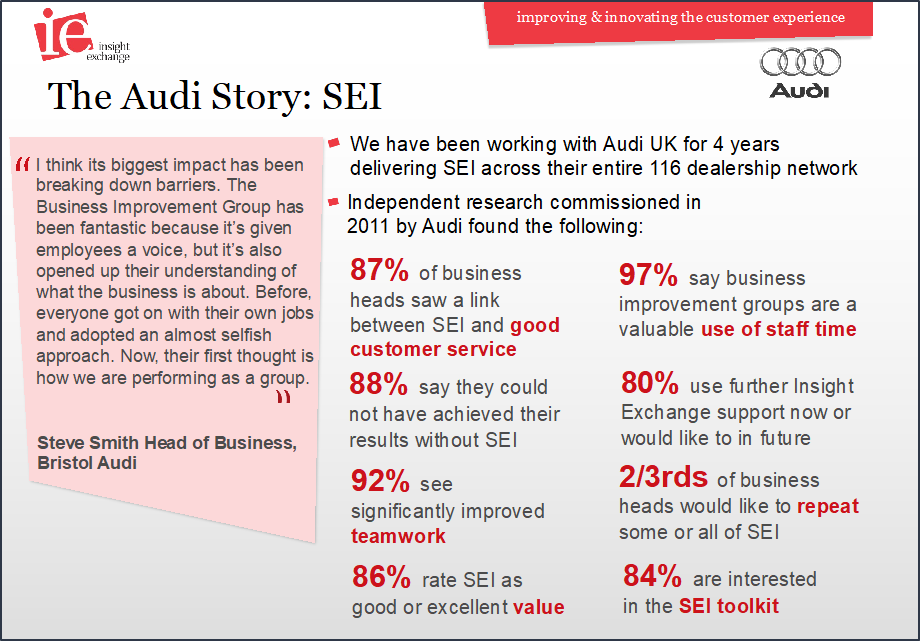
“I think its biggest impact has been breaking down barriers. The Business Improvement Group has been fantastic because it’s given employees a voice, but it’s also opened up their understanding of what the business is about. Before, everyone got on with their own jobs and adopted an almost selfish approach. Now, their first thought is how we are performing as a group”.

Steve Smith, Head of Business, Bristol Audi

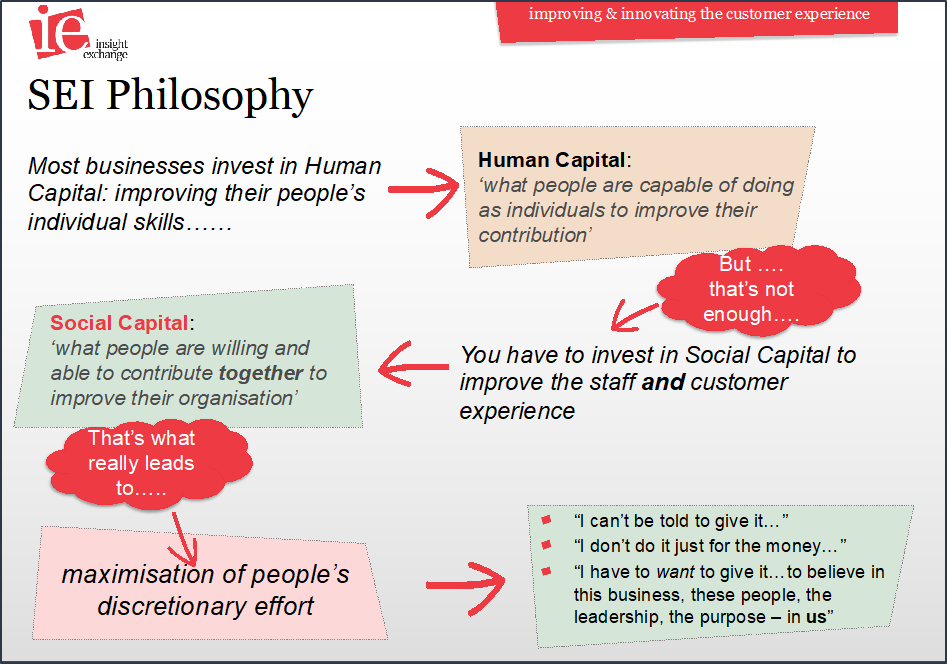
Simon based the design of SEI on his ForUs method as a strategic change programme.  Its aim was to improve Audi’s customer experience through first improving staff experience. 

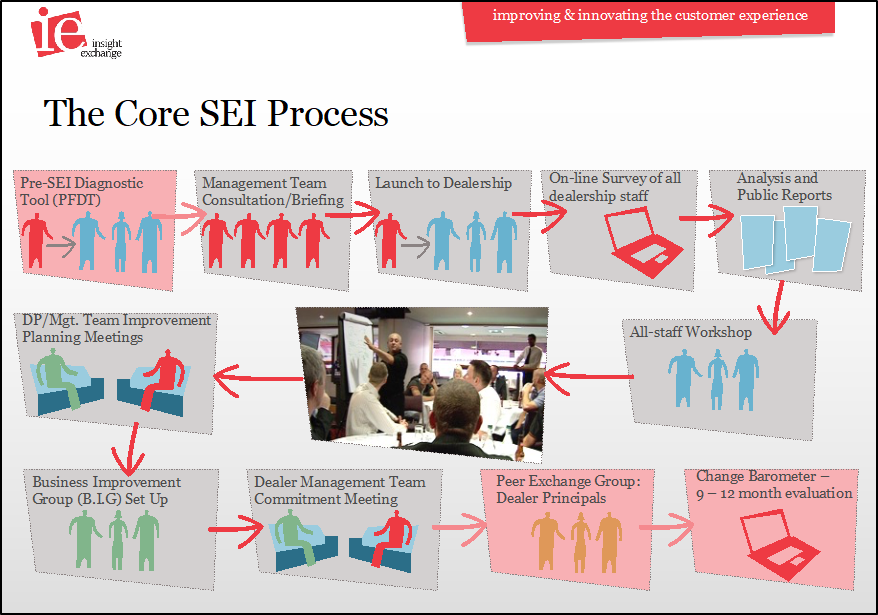
This involved working with leaders across the retail network to focus on building Social Capital and creating more leaders throughout their businesses, raising engagement and building cross-functional who would take ownership of improving the Centre’s customer experience.

Across 4 years, Simon led a team that worked closely with each one of Audi’s 116 Brand Centres both in situ and in regular Peer Exchange Groups – action learning workshops in which Brand Directors formed strong learning partnerships with their peers.  The degree of engagement and the progress they made created lasting change. 

SEI touched over 5,000 people across 4 years and is still remembered by many of those actively engaged as one of the best programmes they have ever been involved in.

Strategy
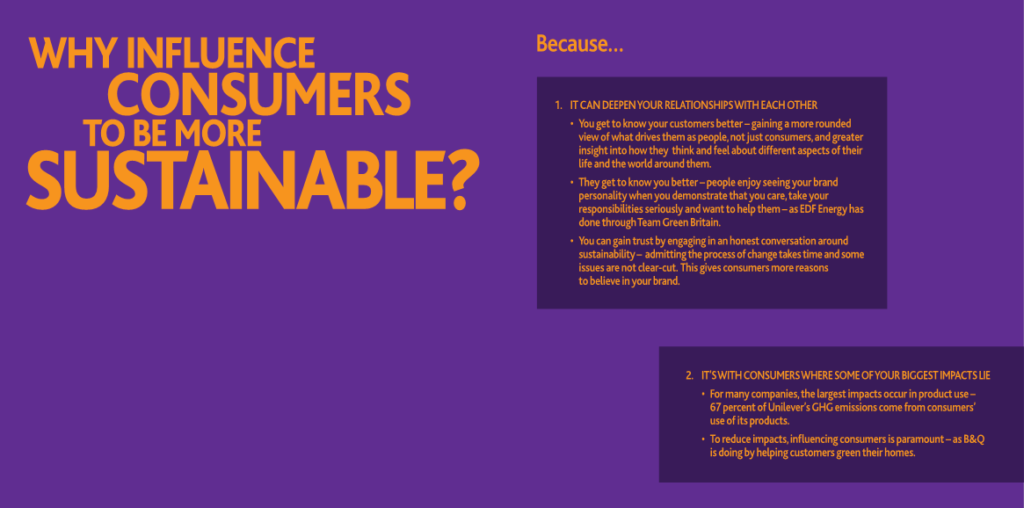
Simon worked with BITC’s Sustainable Marketing team to create a Guide for business Marketing professionals to influence consumers to buy more sustainably. Simon worked with EDF, Waitrose, B&Q, Kraft, M&S and Unilever to draw on research they had done on their own sustainability, comparing the effectiveness of a range of actions and campaigns they had experimented with.

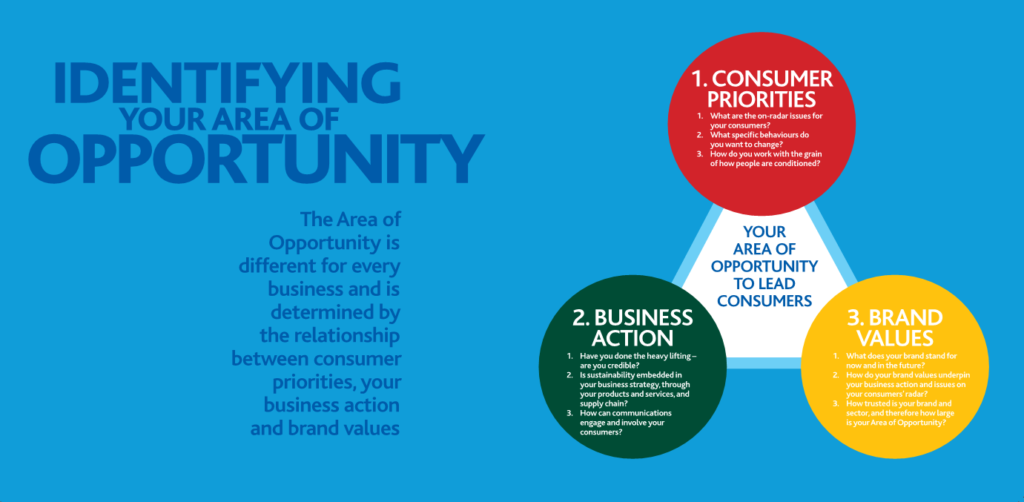
The work led to a strategy based on using the area of opportunity open to a business given its consumers’ priorities, its brand strengths and the areas in which it can do the heavy lifting that persuades consumers that it’s serious about sustainability.


Van
Values

“….[I was introduced] to a freelance consultant called Simon Lidington who undertook to produce a detailed qualitative review of the van market and the individual users, their lives, their loves, their hates and their needs…..Simon is a truly talented individual and in a few weeks was able to introduce me to the people in the market…almost more powerfully through description and by using their words, their language.  Thus we created ‘Van Values’, a manifesto for our business…Van Values became almost a religion….

Quote from In the Driving Seat, Memoirs of a Motor Industry Man

Richard Ide, Group Managing Director, Volkswagen Group 1988-99 “

Strategy

Simon was asked by MAN-VW to improve VWCV’s advertising.  He spent many hours with van operators learning their codes, language and priorities.  He then worked with the creative team at Doyle Dane Bernbach, to develop a trade and press campaign based on VW van operator testimonials using van language…..

What Van?

….Simon was then asked to work on VWCV’s strategy. He spent longer with van operators this time, along the way noticing that most van operators who owned VW cars had no idea that VW even made vans. We communicated this using the VW logo in reverse. For years afterwards, every time Simon passed Richard Ide in a VW corridor he chuckled, saying…“What Van”
Van Values

…when Simon debriefed the MAN-VW Board on the work he’d done he said that to lead the market Volkswagen needed Van Values. They nodded sagely. He went on, “No, you don’t understand; YOU, Volkswagen do not have Van Values. Half of you come from trucks and think vans are small trucks. The other half of your come from cars and think vans are big cars. They are neither. They are VANS”. Van Values became the basis for VWCV’s strategy for the next 18 years, leading to Van Centres, brand separation of VWCV from VW Cars, and to VW becoming a leading Van brand in the UK.

QVC ForUs Programme

Leadership
Culture

Simon originally designed ForUs as a strategic change programme based on an ‘employees first’ philosophy: the idea that improving employee engagement is not only a strategic priority in its own right for any human organization, but is also a key strategic lever to help improve the customer experience. 

The ForUs programme for QVC dovetailed with their aim to be a great place to work. It involved working with people across the company to create leaders everywhere and grow ownership. 

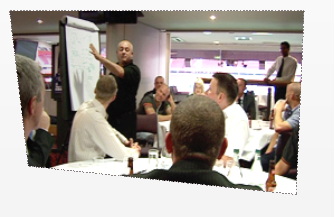
We facilitated workshops with teams across QVC who identified what worked, what didn’t work so well, and what could  be improved.  The outputs from these workshops formed an ‘improvement agenda’.

Members of each team were invited to be part of a Business Improvement Group liberated to use the improvement agenda to take leadership in generating solutions and ideas.

I adore ForUs. It has helped us bring about real improvements in fundamental areas and has had a hugely positive impact on how our staff feel about working here.
Richard Burrell
Director, Media Operations
QVC

Transforming Škoda in the 1990s

Strategy
Leadership
Culture

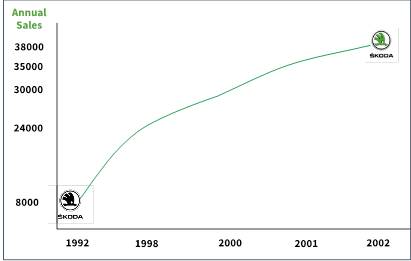
1991 – Robin Woolcock: “I’ve got a lawyer, and now I need you.  We have to sell 40,000 Škodas a year within the next 10 years and I need a brand strategy”.

In 1991 Robin Woolcock was appointed to lead Škoda UK. At the same time as negotiating a formal handover with the East European Trading Company running Škoda in the UK, he called Simon and asked him to work on transforming Škoda from a national Jasper Carrot-led joke to an accepted and respected car brand selling 5x as many vehicles within 10 years.
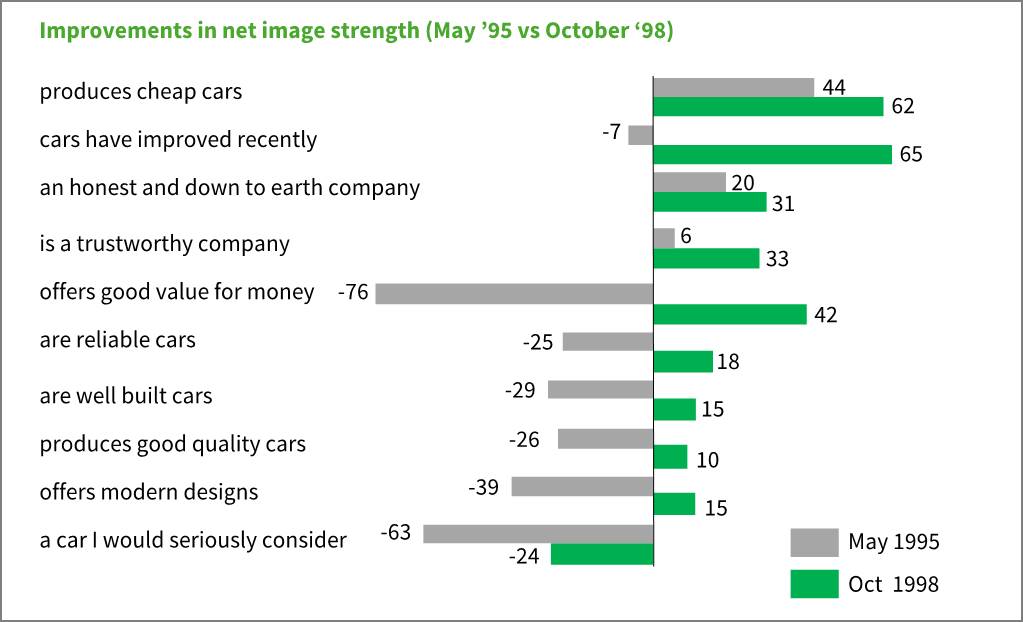
Simon carried out open research with Škoda customers and non-customers. He found that 98% of non-customers said, “never in a million years would I buy a Škoda”. He also found that Škoda was a brand loved by its customers; that Škoda owners had rich and varied lives and saw no need to buy a brand just to enhance their image. They were not poor. They just wanted to buy a value-for-money car from a down-home dealer who would go out of their way to look after them, and still have money left to enjoy life.

Early 1990s

Campaign Magazine calls Škoda The Brand from Hell’. Jasper Carrott & the Daily Mirror coin new Škoda jokes weekly.

Across the next 9 years Simon worked with successive Brand Directors as a management partner. He devised a strategy based on ‘susceptibles’: targeting the 2% who were not outright rejecters – 2% market share was Škoda’s initial goal.

By 1998 Škoda had benefitted from VW engineering input, launched new models, and started to transform its image to the point where more of the 2% were being converted as buyers. A strategy of exposure marketing, a focus on customer experience, value not price, and honesty was strengthened by a programme called ‘Škoda Dealer Way’. Simon led a team working with all 135 Škoda Dealers to build leadership based on the makings of a human culture.


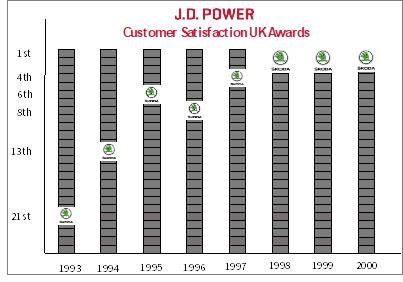
By 1998 Škoda UK was topping the JD Power league table for customer satisfaction, changing market perceptions and selling 3x more new vehicles. Simon defined the strategy as ‘Human Touch’ which was adopted by Škoda AS as a cultural strategy involving the creation of a Human Touch team based in Prague.

Strategy
Culture

The Challenge

  • Subaru World Rally champions
  • Ford BTTC champions
  • Originators of Subaru Impreza P1

What Simon did

  • Consult clients, competitors & industry experts
  • Facilitate workshops with Prodrive team & Board
  • Generate insight

Vision, Values and Strategy

Strategy: Motorsport Dreams

  • grow automotive technology ® (bought Tickford in 2001)
  • Enter F1 – achieved through British American Racing
  • WRC – achieved through International Sports Communications
Prodrive almost trebled its size, revenue and profitability between 1999 and 2002 and within 10 years was earning more from motorsport dreams than from engineering

Some more of Simon’s stories…in brief

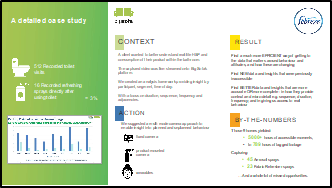
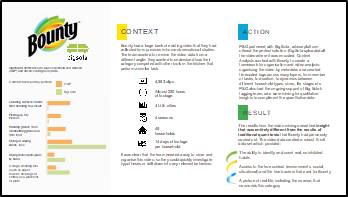
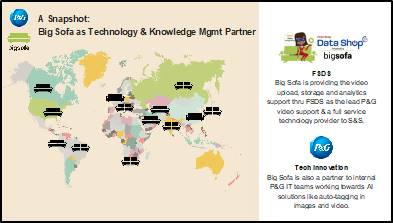
Simon’s company, Big Sofa, was appointed by P&G as its worldwide video Technology & Knowledge Management Partner.

Working with the P&G team in Cincinnatti, Big Sofa provided support to to multiple P&G brands across the world.

One of Europe’s fastest
growing Unicorns

Simon works with a major European start-up that has grown to over 3,000 people operating in over 80 countries within 10 years. Simon has been a coach and mentor to the Founder and his entire leadership team for the last 2 years.

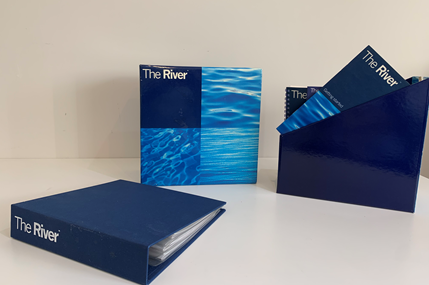
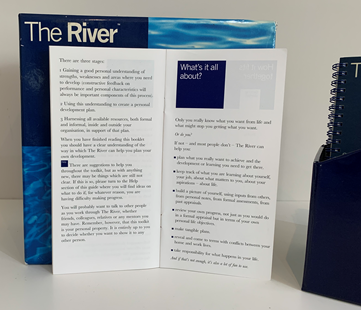
The RiverTM

Long before self-managed development became mainstream, Simon created a SMD system which he branded The River. It found success with many clients including the Civil Service College who bought a licence and made The River one of its most popular courses for over 15 years.